
How to Recognize Fake Air Jordan Sneakers: Comprehensive Authentication Guide
Alright, let’s get down to business — the knockoff sneaker market is truly vast, and Air Jordans are the biggest target. Industry analysis estimate that replica sneakers represent around $450 billion in global trade per year, and Jordan Brand models make up a disproportionate share of that amount. Whether you’re shopping from a reseller, an online platform, or even a brick-and-mortar shop that looks a little sketchy, learning how to authenticate your pair is a must — it’s vital. I’ve directly reviewed countless of pairs over the years, and the fakes have gotten scarily convincing, above all since 2024. This article explains every checkpoint I use when authenticating Air Jordans, from the box to the bottom and all the details. Save this one, because it could protect you from dropping $250 on a pair of shoes that cost someone $12 to manufacture.
Begin With the Box: Your Initial Line of Verification
Before you even pick up the sneakers, the shoebox itself reveals a set of clues that bootleggers regularly get wrong. Genuine Jordan shoeboxes have a particular density and texture to the cardboard — it’s sturdy, with a gentle matte finish that seems expensive to the feel. Inspect the end label on the end of the box for the proper SKU, size, and color name, then compare this details against Nike’s main product database or established sources like Nike.com. The text on genuine labels is clean and consistently distributed, while counterfeits regularly show sloppy letter spacing, somewhat thicker text, or wrong font styles. Nike Jordans for Men Look closely at the barcode label — scan it with any barcode scanner and confirm it pulls up the right product data. The wrapping paper inside authentic boxes also has a specific feel and density; knockoff packaging commonly uses thinner, inferior paper that tears more readily. Many veteran authenticators can detect a replica within 30 seconds just by examining the box, so never skip this important first step.
Reviewing the Sneaker Construction and Materials
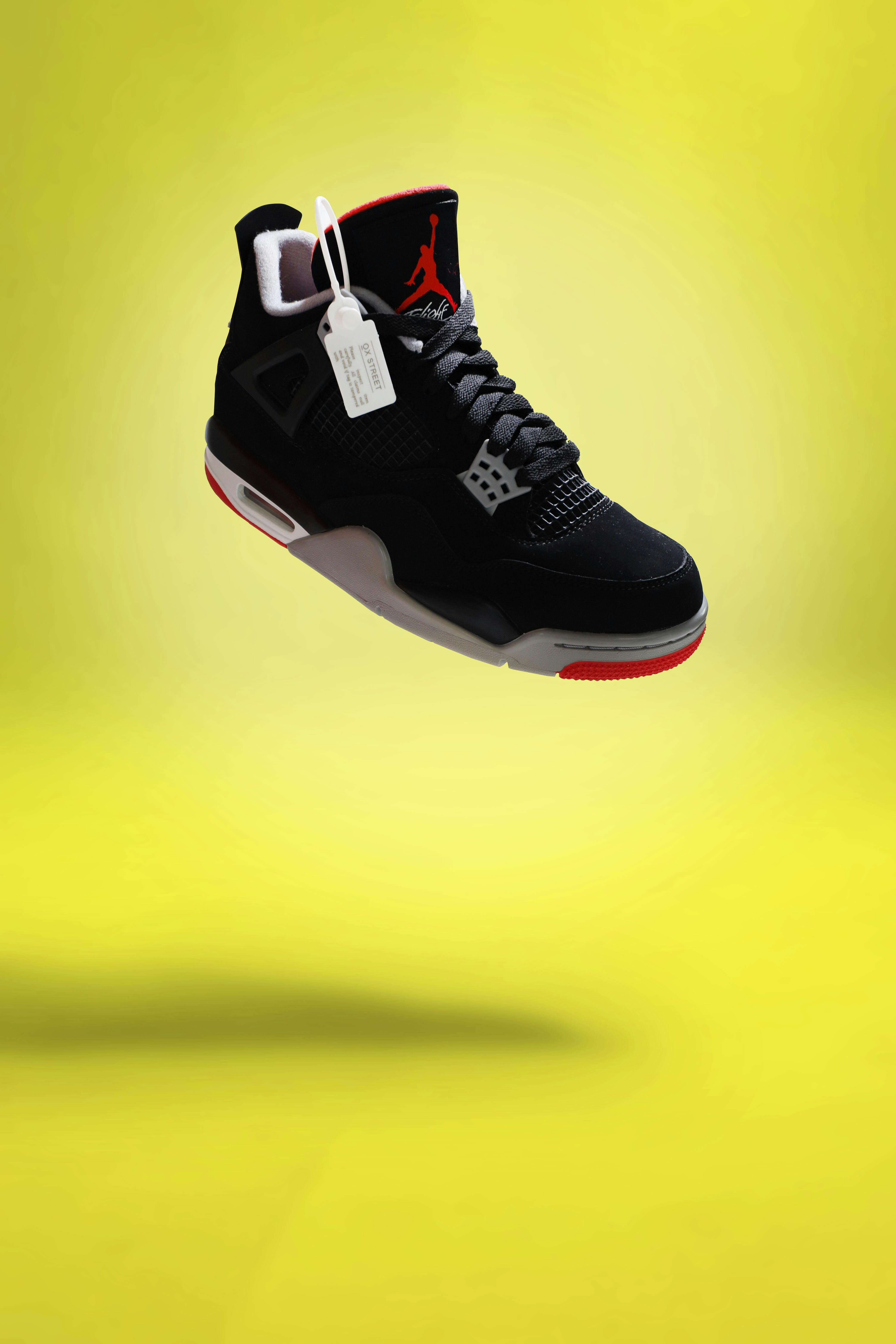
Authentic Air Jordans use premium hides with a buttery, consistent grain pattern across the whole upper — take the pair and assess the leather yourself. On the Air Jordan 1, real leather panels should be soft but firm, not plasticky or too rigid, and the tumbled leather on particular colorways should have a natural, non-uniform texture rather than a machine-made, cookie-cutter pattern. Stitch quality is one of the most consistent tells: legitimate pairs have neat, regular stitches with no dangling threads, fraying, or uneven gaps. Tally the stitches on critical zones like the swoosh and the wing panel — Nike holds to precise stitch counts that vary by silhouette and size, and counterfeiters hardly ever match these exactly. The general shape of the sneaker counts too; real Air Jordan 1s have a distinctive hourglass silhouette when looked at from the rear, while many knockoffs look overly straight or blocky. Move your finger along the midsole where it meets the upper — authentic shoes have smooth, flush attachment with no apparent adhesive marks or spaces.
The Bottom and Air Unit: Aspects That Fakes Get Wrong
Turn the sneaker over and inspect the sole pattern meticulously against verified images from genuine releases. Legitimate Air Jordan bottoms have clean traction patterns with clean lines and regular groove depth across the full bottom. The rubber material on genuine pairs has a particular firmness and subtle translucency on specific models (like the Air Jordan XI’s translucent outsole) that fakers have difficulty to copy accurately. Push with force on the heel area to feel the Air unit — genuine Nike Air technology has a unique compression feel that low-quality foam pads fail to copy. On models with exposed Air chambers, like the Air Jordan 3, 4, or 5, examine the Air capsule for clarity, accurate dimensions, and proper centering within the midsole chamber. The Jumpman figure on the outsole should be precisely rendered with no running or defects in the lines, and on the Air Jordan 3, the shape of the Jumpman should correspond to authentic pictures precisely. Shade consistency between the sole and mid-section is another red flag — fakes regularly have slight color differences that are instantly noticeable when held next to with retail pairs.
Tags, Labels, and the Nike Size Tag Breakdown
For very good reason, the interior size tag is probably the most frequently inspected component in sneaker authentication — it holds levels of confirmable information. Legitimate Nike product tags display particular text styles, letter spacing, and layout that update periodically, so you must compare against tags from the matching production period. The tag should show the accurate product code matching the box, a make date that fits within the established release date, and plant codes that point to authorized Nike production plants. In 2026, Nike size tags typically show a quick-response code alongside the traditional barcode — scan both and check they connect to authentic product information. The text quality should be sharp with no smudging, and the tag substrate itself should be smooth and slightly waxy, not rough or papery. I always recommend snapping the tag under magnification and matching it against certified legitimate pairs from databases run by verification services like CheckCheck or Legit Check. If any one aspect on the size tag looks wrong — wrong font, wrong spacing, unusual texture — treat it as a red flag serious enough to rethink the buy.
The Smell Test and Other Sensory Inspections
Veteran sneakerheads know that genuine Air Jordans have a specific aroma that’s almost very hard to replicate, though this might sound weird if you’re a beginner at shoe verification. Authentic Nike products have a clean, subtle leather and rubber odor that is produced by the actual ingredients and bonding agents used in Nike-contracted manufacturing plants. Fake shoes regularly smell like pungent chemicals, powerful industrial adhesive, or have an fake “fresh shoe” smell that’s been applied to cover up manufacturing fumes. Beyond smell, put on a scale the shoes — authentic pairs within the same silhouette and size should measure within a couple of grams of each other, and many legit-check guides provide documented weight specs for common models. Knock on the sole softly and pay attention; authentic Air technology emits a faintly hollow, resonant sound, while knockoff foam counterfeits typically make a more muted impact. Run your hand across the inside lining for smooth feel — genuine pairs have expertly laid interior fabrics without wrinkling, creases, or exposed cement. These sensory assessments back up the optical examination and supply additional information that strengthen your total assessment.
| Authentication Checkpoint | What to Look For | Common Fake Giveaways |
|---|---|---|
| Shoebox and labels | Right SKU, sharp text, scannable barcode | Irregular text, incorrect font thickness, dead barcodes |
| Leather and Materials | Soft grain pattern, uniform texture on all panels | Synthetic rubbery feel, uniform pressed patterns |
| Stitch quality | Even spacing, correct stitch count, no loose threads | Sloppy spacing, fraying edges, wrong thread hues |
| Sole | Precise traction pattern, correct rubber firmness | Weak tread depth, bad rubber mix, color discrepancy |
| Size Tag | Right typeface, working QR and barcode, legitimate factory codes | Fuzzy printing, bad spacing, QR codes that don’t scan |
| Air Unit | Responsive cushioning, clear Air windows | Flat foam feel, cloudy or off-center Air bubbles |
| Scent | Clean leather and rubber smell | Overpowering chemical fumes or industrial glue scent |
Using Digital Tools and Paid Verification Services
Digital tools and third-party authentication services provide an critical safety net when your own check leaves doubt. Apps like CheckCheck and Legit Check by Ch permit you to submit detailed photos and get expert opinions, normally within the same day, for a fee between $5 and $15. Ultraviolet inspection shows hidden details — official Nike shoes commonly have specific blacklight-visible indicators and bonding patterns added during QC in authorized factories. Some enthusiasts purchase magnifying scopes (priced for under $50) to examine stitching and printing quality at zoom levels that expose even the most realistic fakes. In 2026, Nike’s own SNKRS app includes upgraded verification tools for direct transactions, including blockchain-based authentication certificates for select limited-edition drops. Never be afraid to use various checking techniques together — trained checkers use a baseline of five verification points before rendering a verdict, and you should adopt the same method for any acquisition above $150.
Where to Cop and Alerts to Steer Clear Of
The most reliable way to prevent fakes is acquiring from licensed stores, Nike official channels, or trusted resale platforms with embedded inspection. StockX, GOAT, and eBay’s Authenticity Guarantee all utilize professional verifiers who check every pair before shipping. Be incredibly wary of Instagram sellers listing “crazy low prices” on desired releases — if a $400 pair is priced for $150, there’s a explanation. Be aware of sellers who won’t provide extra photos, push rapid sales, or require untraceable payment types like digital currency or store cards. Recently made accounts, non-original photos instead of actual product images, and non-specific details are major alerts. Always insist on recently taken photos with the seller’s username showing before agreeing to person-to-person deals. The number-one rule hasn’t changed: if the deal feels too good to be true, saying no is always less expensive than ending up with fakes.
لا تعليق